
I’ve seen a lot of content around “zero waste” living and for me, this will never work. I live in a city and there are certain realities to that. But living in the city means I have to look at my trash (and my community’s) daily as it piles up on the sidewalk. It’s made me think seriously about ways I can reduce my overall impact on the waste I see around me. These are some of the ways I’ve been able to reduce waste in my city apartment without spending extra money, installing solar panels or setting up a hydroponic garden.
Food storage alternatives
We traditionally use a ton of plastic to store and transport food. I now have a sturdy lunchbox that I got as a gift, meaning no paper bags. Instead of plastic sandwich bags, try a metal or bamboo container for food storage.
I stopped buying multi-packs of water and invested in 2 stainless steel water bottles. One stays by my bedside, and the other migrates around my apartment with me. I personalized them with stickers so they’re easy to spot.
I love sparkling water. I now use a SodaStream rather than buying bottles or cans of seltzer. I return the used canisters and the company refills them with cO2, which I get at a discount for returning them.
Groceries
It’s a given that I use reusable grocery bags. I try to make a habit of carrying one around with me at all times in case I end up grabbing a few things at the store on my way home. But aside from plastic shopping bags, the real waste culprit are those plastic produce bags.
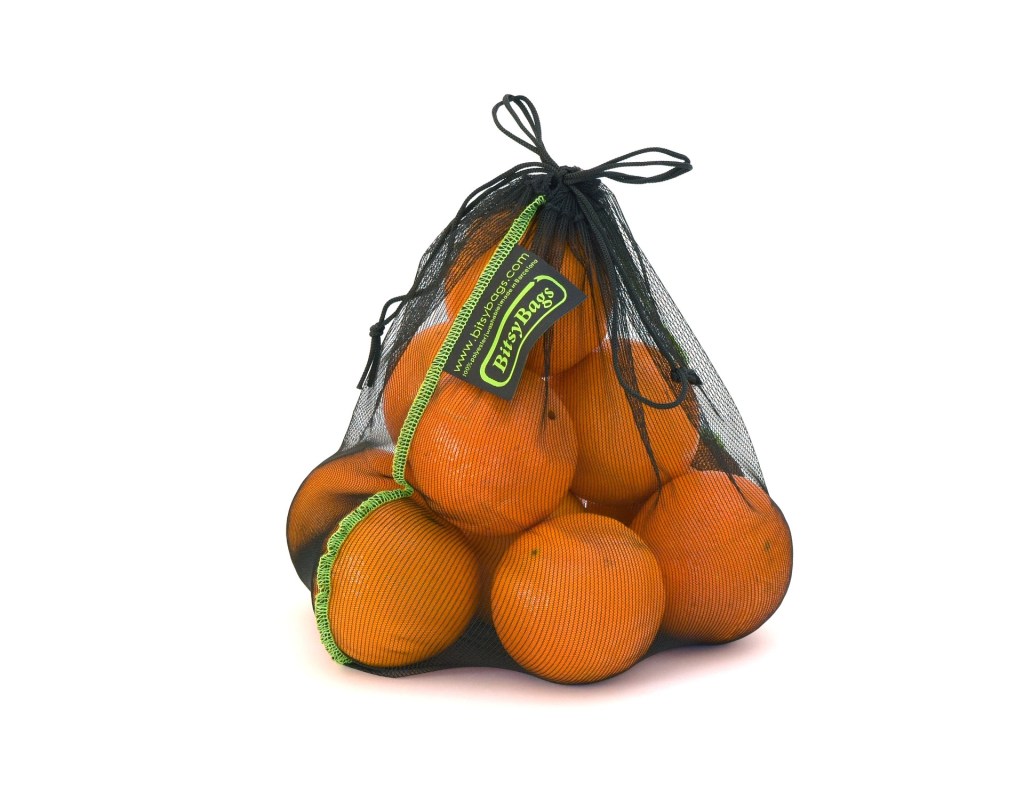
I buy my produce bare instead of using produce bags. I wash everything when I get home anyway, so there’s no point in creating more waste just to transport the food. I also got reusable mesh produce bags as a gift, and I like to use them for things like lettuce and herbs.
As a bonus, it saves time at checkout because the cashier doesn’t have to fumble with the bag to find out what’s inside.
Paper
I use a whiteboard instead of paper pads and post-it notes.
Whenever possible, I cancel subscriptions to catalogs and snail mail marketing. I throw out 99.9% of it as soon as it arrives anyway.
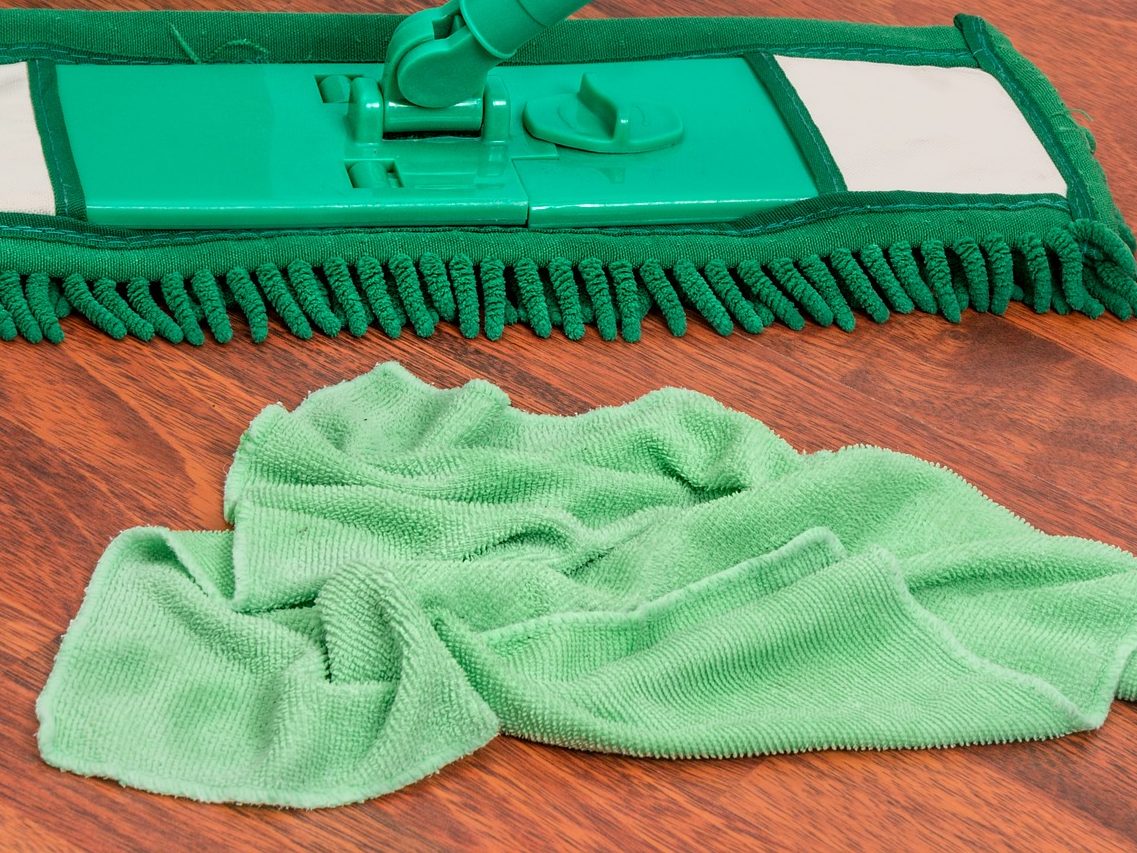
I ditched paper towels entirely and use microfiber cloths instead. I throw them in with the laundry when I run out, and it’s saved me a ton of money. I also noticed that my trash fills up slower because there’s far less paper waste in the house.
I use period underwear for the majority of my cycle. There are many great alternatives out there lately aside from period underwear if that doesn’t sound like it would work for you. There are reusable menstrual cups and discs (I find the disc more comfortable personally) and reusable cloth pads. I’d also recommend making a switch that feels most comfortable for your lifestyle. Maybe you can try reusable pads or period underwear for night time, and keep the tampons for day time. Making a conscious choice to reduce will still have an impact.
Kitchen items

I use stainless steel and reusable wooden chopsticks and I always write a note when I order takeout to leave out the silverware and napkins. Wooden chopsticks are a single use item that contributes a ton of waste, and we don’t think of it as wasteful because they’re made of wood. But not only does it require deforestation to produce the chopsticks, but they ultimately end up in a landfill with the rest of our plastic waste.
Aside from just chopsticks, stainless steel kitchen utensils like spatulas, tongs, and whisks, etc. will last longer and don’t contain rubber or plastic pieces that contribute to more plastic pollution. When I moved in, I assembled a full set of these items. Some were hand me downs and some were bought new, but overall I know they’ll last longer, are easier to clean, and are better for the environment than utensils with plastic parts. If I choose to replace them one day, I can bring them to a facility that offers metal recycling.
 Honestly Herbal